As a personal trainer, one of the most common goals I hear from clients is, “I want to lose weight.” But what if I told you that weight loss isn’t necessarily the goal you should be chasing? Instead, you should be focusing on fat loss—which is a far healthier and more sustainable approach to achieving your ideal physique and fitness level.
What’s the Difference?
Weight loss refers to an overall reduction in body weight, which includes fat, muscle, and even water weight. It’s the number you see on the scale dropping, but it doesn’t necessarily mean you’re getting fitter or healthier.
Fat loss, on the other hand, specifically targets a reduction in body fat while maintaining or even increasing muscle mass. This distinction is crucial because the way you look, feel, and perform is more influenced by your body composition (muscle-to-fat ratio) than just a number on the scale.
Why Fat Loss Matters More
- Preserving Muscle Mass – When you focus on fat loss rather than just weight loss, you’re ensuring that your body keeps its lean muscle. Muscle is metabolically active, meaning it helps you burn more calories even at rest.
- Better Body Composition – Losing fat while keeping muscle leads to a more toned and defined physique. This is why two people with the same weight can look completely different based on their body fat percentage.
- Improved Strength & Performance – If you’re losing weight indiscriminately, you might also be losing strength. Maintaining muscle allows you to perform better in workouts, daily activities, and even prevents injuries.
- Sustainable Results – Crash diets and extreme calorie deficits often result in muscle loss and water loss, which can lead to a cycle of weight regain. Fat loss through proper nutrition and training is a sustainable, long-term approach.
How to Prioritise Fat Loss Over Weight Loss
- Strength Training is Key – Lifting weights or doing resistance training helps preserve and build muscle while burning fat. If you’re only doing cardio, you may lose muscle along with fat, leading to a “skinny fat” look.
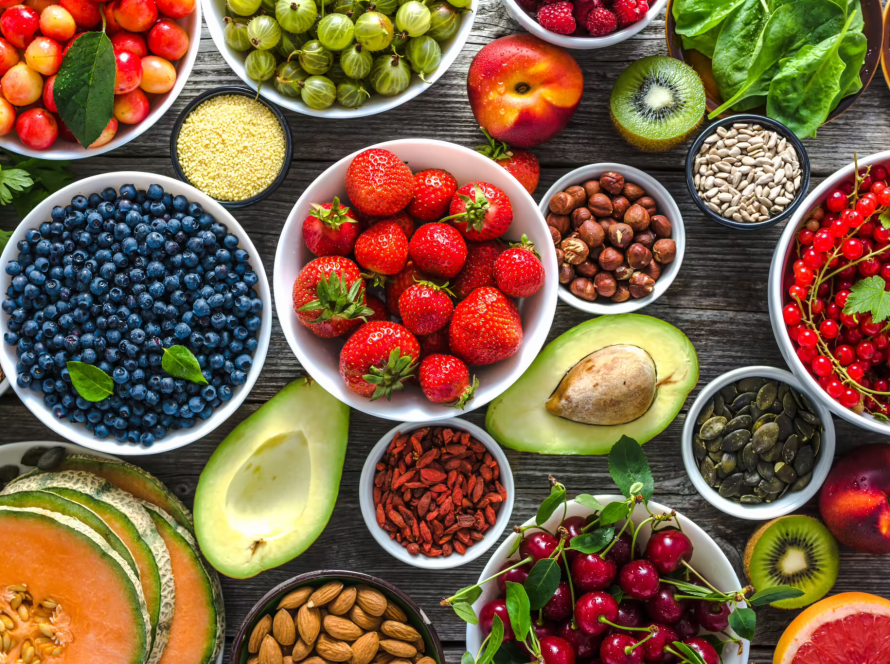
- Fuel Your Body Properly – Instead of cutting extreme calories, focus on eating nutrient-dense foods with sufficient protein to maintain muscle mass while creating a slight calorie deficit for fat loss.
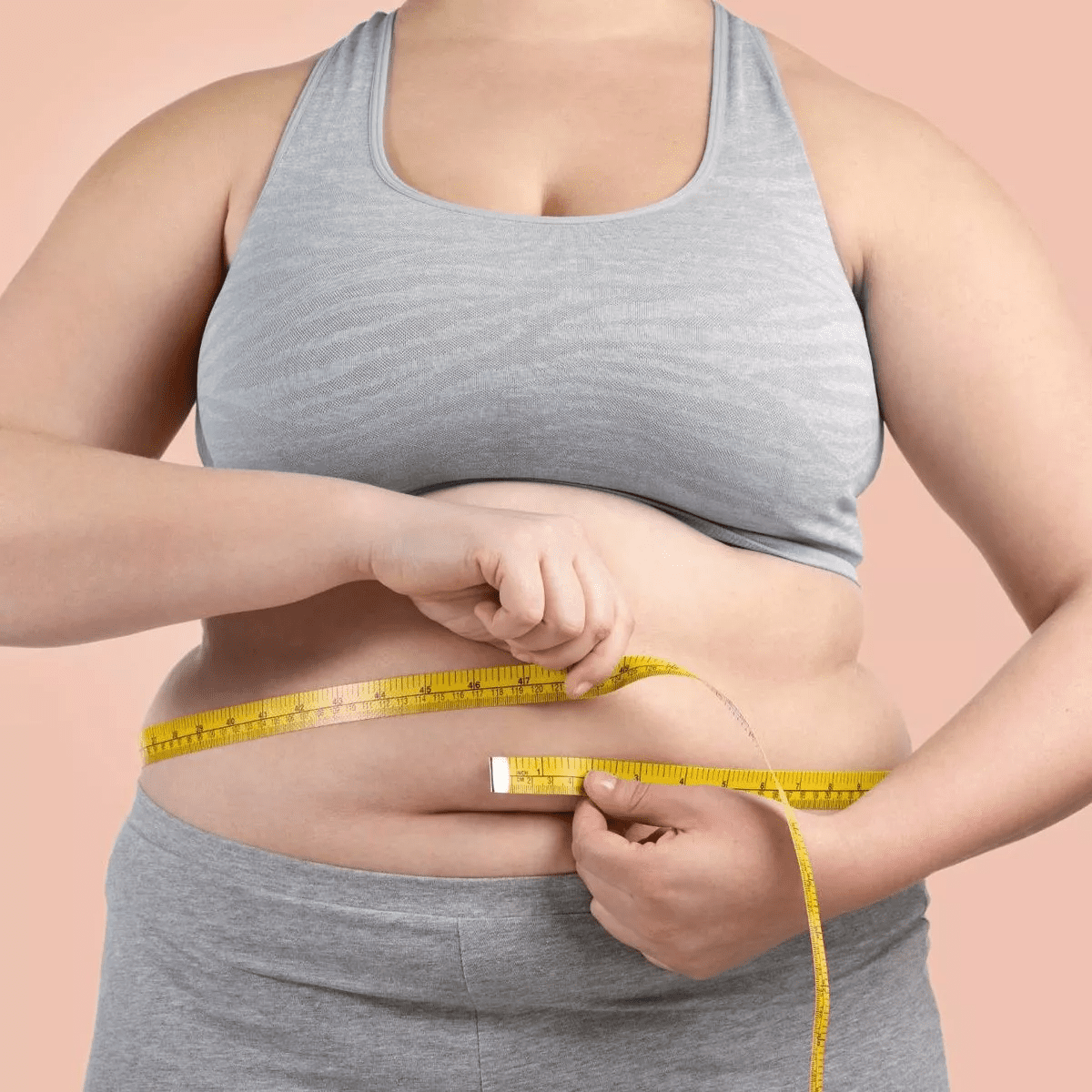
- Monitor More Than Just the Scale – Instead of obsessing over a number, track your progress using body measurements, progress photos, how your clothes fit, and strength improvements in the gym.
- Prioritise Recovery & Sleep – Poor sleep and high stress can lead to increased fat storage, particularly around the midsection. Ensure you’re getting quality rest and managing stress effectively.
Final Thoughts
If your goal is to look leaner, feel stronger, and improve overall health, then focusing on fat loss instead of just weight loss is the way to go. The number on the scale is just one piece of the puzzle—how you feel, perform, and progress in your fitness journey matters far more.
So next time you step on the scale, remember: it doesn’t tell the whole story. Train smart, eat well, and focus on building a stronger, healthier version of yourself!